Best Books on InvestingBest Books on Wealth BuildingBest Books on EconomicsBest Books on Personal Finance
Part of Best Books on Personal Finance →
Curated Reading on Money, Wealth & Economics

The best books for getting out of debt for good

Debt is a maths problem wrapped in a psychology problem, and the books that work address both. These five give you an order of operations and a way to keep going once the novelty wears off.

Curated by Capital Readers — updated monthly with the titles worth your time.
Compiled by Capital Readers Team — researched and curated from published reviews, reader consensus, and AI-assisted analysis
Rankings are researched and reviewed before publishing. How we choose books →
Last updated

Getting Out of Debt

The 5 books that readers say actually worked

Practical and unglamorous. Each of these has a plan you can start this week, not a philosophy of money.

Cover of The Total Money Makeover by Dave Ramsey

The Total Money Makeover

by Dave Ramsey · 2003

The debt snowball is mathematically suboptimal and behaviourally excellent, and Ramsey explains why the second matters more when you are demoralised. Rigid by design: seven steps, no negotiation.

Core idea
Smallest balance first, because early wins are what keep people in the plan.
Read it if
You have started and abandoned a payoff plan before.
Skip it if
You want interest-rate optimality, or the moralising tone will lose you.
Buy on AmazonBookshop.orgHardcover · Paperback · Kindle · Audiobook
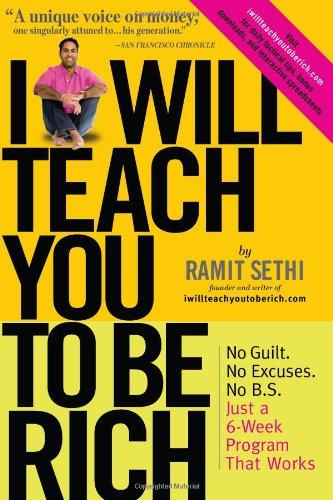
Cover of I Will Teach You to Be Rich by Ramit Sethi

I Will Teach You to Be Rich

by Ramit Sethi · 2009

A six-week setup that automates payments, savings, and investing so willpower stops being the bottleneck. Unusually specific — scripts for negotiating fees, exact account structures.

Core idea
Automate the transfers once and the outcome stops depending on discipline.
Read it if
You want a system built in six weeks and then left alone.
Skip it if
You are outside the US — the account specifics won't map.
Buy on AmazonBookshop.orgPaperback · Kindle · Audiobook
Cover of The Simple Path to Wealth by J L Collins

The Simple Path to Wealth

by J L Collins · 2016

Written as letters to his daughter, which keeps it plain: clear the debt, avoid the debt again, then own the index. The best explanation of why a paid-off balance is the highest guaranteed return most people can get.

Core idea
Clearing a balance is a guaranteed return at the interest rate you were paying.
Read it if
You want the whole argument in a single short book.
Skip it if
You want detail on credit repair or negotiation.
Buy on AmazonBookshop.orgPaperback · Kindle · Audiobook
Cover of Broke Millennial by Erin Lowry

Broke Millennial

by Erin Lowry · 2017

Aimed at readers with student loans, thin credit files, and awkward money conversations to have. Lowry covers the situations other books skip, including how to talk about debt with a partner.

Core idea
Debt decisions are social as often as they are financial.
Read it if
You are carrying student loans and building credit from nothing.
Skip it if
You are mid-career with a settled balance sheet.
Buy on AmazonBookshop.orgPaperback · Kindle · Audiobook
Cover of Get Good with Money by Tiffany Aliche

Get Good with Money

by Tiffany Aliche · 2021

Ten checkpoints toward what Aliche calls financial wholeness, with payoff set in the context of insurance, credit, and savings. Useful if you have tried a plan and watched an emergency undo it.

Core idea
Payoff only holds when insurance and a buffer are in place around it.
Read it if
An emergency has derailed your repayment before.
Skip it if
You want a single-focus payoff plan and nothing else.
Buy on AmazonBookshop.orgHardcover · Kindle · Audiobook
“A budget is telling your money where to go instead of wondering where it went.”
— Dave Ramsey
How this list was made

Ranked on completion, not on optimality

The mathematically optimal repayment order is highest interest rate first, and almost nobody finishes that way. This list is ordered by how likely a demoralised reader is to reach the end of the plan, which is why Ramsey's snowball leads despite costing slightly more in interest. Sethi follows because automation removes willpower from the loop entirely. Collins, Lowry, and Aliche are each here for a specific reader the first two miss: the reader who wants brevity, the reader with student loans and thin credit, and the reader whose last attempt was wrecked by an emergency.

Snowball or avalanche — which should I use?

Avalanche costs less; snowball gets finished more often. If you have abandoned a payoff plan before, use the snowball and accept the small extra interest as the price of completing it.

Which book if I have student loans specifically?

Broke Millennial. Lowry covers thin credit files, repayment plan selection, and the conversations around family money that the other four skip.

Should I save or pay off debt first?

A small emergency buffer first, then debt, then real savings — Aliche makes this case best. Paying off a balance with no buffer usually ends with the balance back on the card after the first unexpected expense.

Is any of this advice, formally?

No. Everything here is a book review. Nothing on this site is financial advice, and none of these authors know your situation, tax position, or interest rates.

More Reading Lists

View All Lists →

One list. One book. Every two weeks.

A short, opinionated email — no filler, no fifty-book roundups. Just what's worth reading next.

As an Amazon Associate and Bookshop.org affiliate, we earn from qualifying purchases.