Curated Reading on Money, Wealth & Economics
The best books to actually understand inflation and the Fed
Interest rate decisions move mortgage payments, stock valuations, and job markets, yet most explanations of how the Federal Reserve actually works stop at "they set interest rates." These five go further — what the Fed is, why it has the power it has, and what happens when central bankers get inflation wrong in either direction.
Curated by Capital Readers — updated monthly with the titles worth your time.
How this list was made
Why these five, in this order
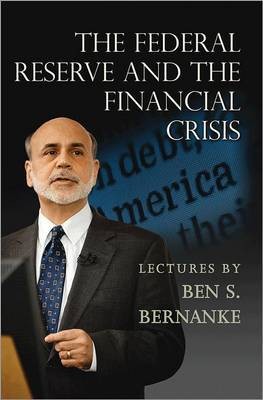
Bernanke opens the list because nobody explains the Fed's basic mechanics more plainly than the person who ran it through 2008 — the book began as four public lectures, and it reads like one. Greider follows with the deeper, more skeptical history of how the Fed accumulated the power Bernanke describes using, and who actually answers to whom. Ahamed then supplies the cautionary tale: four central bankers whose decisions in the 1920s helped produce the Depression, proving the stakes are not abstract. Irwin brings the same dynamic into 2008, when three different central banks improvised a response in real time. Chancellor closes the list as the most analytical entry, tracing interest rates themselves — the Fed's primary tool — across centuries of financial history.
What's the single fastest way to understand what the Fed does?
Bernanke's lectures. It's short, written for a general audience despite the author, and covers the origin and basic function of the Fed before getting into 2008 specifically.
Is The Creature from Jekyll Island worth reading instead?
We left it off deliberately. Its history of the Fed's founding is popular, but mainstream economic historians dispute several of its central claims, and it blurs into conspiracy territory in places. Greider's book covers similar ground on the Fed's power and origins without that problem.
Do I need an economics background for these?
No for Bernanke, Greider, Ahamed, and Irwin — all four are written for general readers. Chancellor's book on interest rate history is denser and rewards having read at least one of the other four first.
How does this connect to your main economics list?
Manias, Panics, and Crashes and This Time Is Different both cover related territory at a higher level — crises and cycles broadly, not the Fed specifically. Read this list when you want the institution itself explained, not just the pattern of what it responds to.